Learn About Vital Tree Care Methods for Best Tree Maintenance
Knowing how to care for trees is vital for keeping the surroundings healthy. Important techniques such as mulching and pruning are vital factors in encouraging strong tree growth. In addition, proper watering techniques are crucial for developing strong roots. Yet, most people miss the signs of tree diseases and the importance of hiring professionals. Investigating these factors can foster a greater respect for trees and their care. What steps can one take to guarantee their trees thrive?
Grasping the Value of Healthy Trees
Knowing why tree health is crucial is critical, as trees are key players in keeping nature balanced and enhancing urban environments. Healthy trees contribute to the quality of the air, provide shade, and sustain animal homes. They also help mitigate climate change by absorbing CO2, proving their necessity for long-term ecological health.
In city environments, healthy urban trees look better, raise the value of homes, and promote community well-being. Having trees can lessen city heating in cities, leading to lower energy costs.
Failing to care for trees, in contrast, can result in disease, insect problems, and structural instability, posing risks to both the trees and surrounding infrastructure. As a result, knowing the markers of tree well-being, such as leaf coloration, growth patterns, and bark condition, is essential for proper care. Ultimately, fostering healthy trees helps more than personal gardens but the wider ecological system, stressing the importance for preventative maintenance and management practices.
Key Methods for Pruning
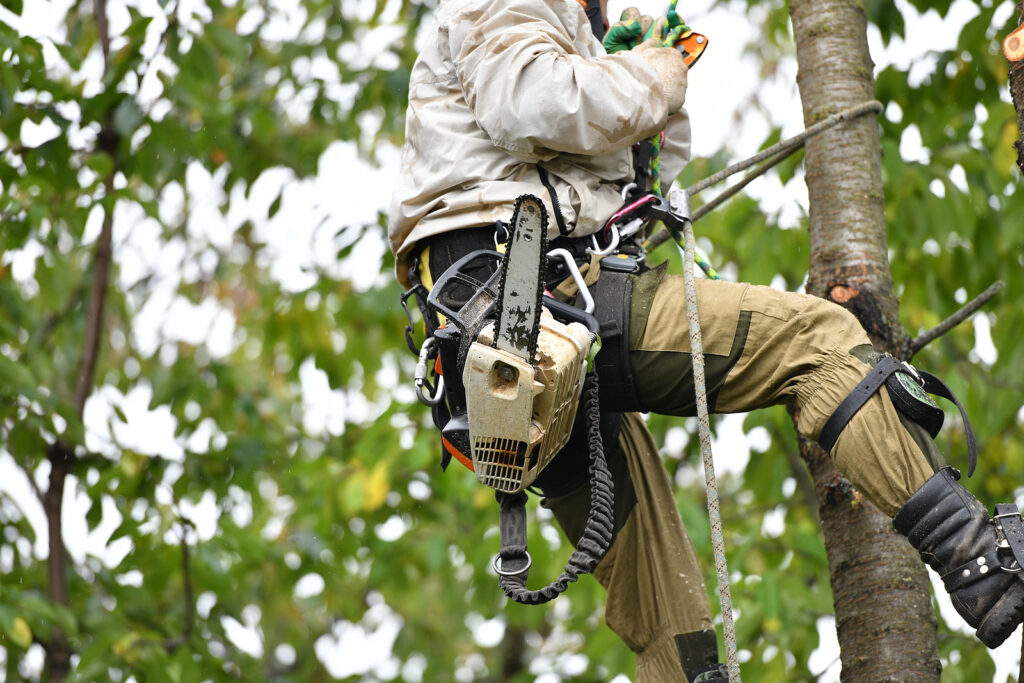
Pruning is an important practice in tree care that guarantees ideal growth and health, as it takes away unhealthy branches and enhances air flow within the canopy. Employing proper techniques ensures the trees can thrive in their environment.
A key method is "thinning," which means taking off certain branches to allow more light through and lessen the load on fragile branches. 'Heading cuts' is one technique, where the terminal buds are removed to stimulate lateral branching, mainly in juvenile trees. Furthermore, the process of 'crown reduction' decreases the size and reach of a tree while maintaining its natural shape.
Proper timing is crucial; pruning during the read the information dormant season lessens the impact and promotes better wound closure. Pruning implements must be sharp and sterile to prevent injury and infection transfer. Knowing these essential trimming methods is necessary for all tree specialists aiming to maintain healthy and visually appealing trees.
Spotting Frequent Tree Illnesses
How can tree owners recognize the indicators of typical illnesses that threaten their trees? Knowing the particular signs is critical for prompt identification and action. Typical signs involve discolored or wilting leaves, possibly indicating a fungus or a lack of necessary nutrients. Strange developments, like cankers or galls, may indicate insects are present or pathogens that weaken the tree. Additionally, sap running out or bark flaking off may indicate infections that demand quick action.
Tree owners should also observe modifications to the tree's appearance, like premature leaf shedding or dead branches, suggesting a deeper, more serious issue. Monitoring for signs of insect infestations, for instance, sawdust or bark holes, is necessary too. By staying watchful and taking action, owners are able to spot these frequent ailments and find suitable treatments, ensuring their trees remain healthy and vibrant across the different seasons.
The Role of Mulching in Tree Care
Mulching serves as an important practice in tree care, giving various benefits that foster robust growth and hardiness. It involves applying a layer of organic or inorganic material at the tree's base, aiding in moisture retention, preventing weed growth, and stabilizing soil warmth. This protective barrier doesn't just limit rivalry from unwanted vegetation but also improves the look of the yard.
Furthermore, natural mulching materials, such as wood chips or bark, gradually decompose, providing essential nourishment and improving its structure. This continuous action helps roots establish and promotes a better habitat for the growing tree. Additionally, mulch application minimizes the erosion of soil, thereby stabilizing of the tree’s root system. Properly applied mulch must be distributed in a donut shape, avoiding direct contact with the trunk to avoid rotting. Overall, integrating mulch application into tree care routines greatly supports to the sustained well-being of trees.
Effective Watering Techniques for Trees
Good tree maintenance demands not only mulching but also proper watering practices to promote the best growth and health. Trees, particularly newly planted ones, demand regular water to establish strong root systems. Deep watering is essential, as it encourages roots to grow downwards where moisture is steadier. Preferably, trees need roughly one inch of water per week, either via rain or supplemental irrigation.
It is best to water early in the morning to reduce evaporation and disease caused by fungi. One must be careful not to overwatering, which often causes root decay and related complications. The soil should be checked for moisture before watering; should the top two inches be arid, then watering is necessary. Additionally, utilizing drip irrigation or drip irrigation offers a slow, constant flow of water, guaranteeing trees are sufficiently hydrated without the risk of runoff. Correct watering methods are essential contributors to the overall health of trees.
Retaining Specialized Tree Care: Reasons and Necessity
When considering the health and aesthetics of a property, retaining specialized arborists may prove essential for homeowners facing complex tree care needs. Professional arborists possess the expertise to determine tree vitality, identify diseases, and apply successful remedies. They also understand local regulations concerning tree removal and maintenance, guaranteeing compliance and preventing costly penalties
(Stillwater Tree Service)Homeowners should consider hiring professionals when dealing with mature trees, particularly those near structures or power lines, as improper handling can pose safety risks. Furthermore, trees requiring pruning for appearance or vitality benefit from the skills of trained specialists who can execute precise cuts to promote growth
Periodic maintenance, such as storm preparation and debris cleanup, need professional assistance to ensure site security and appearance. Ultimately, using expert tree care providers guarantees that trees receive ideal care, which benefits greatly the overall landscape and real estate worth
Questions and Answers
How Can I Tell if My Tree Is Drowning?
Signs of overwatering in trees include yellowing leaves, wilting despite moist soil, root rot, and significant defoliation. In addition, the presence of fungal growth at the tree's base often suggests inadequate water runoff and excess moisture.
When Should I Schedule for Tree Pruning?
The best time for tree pruning is generally in the cold months before spring prior to bud break - Stillwater Tree Service. This timing promotes healthy growth and minimizes stress on the tree, facilitating quick recovery and further growth
Can Trees Recover From Severe Storm Damage?
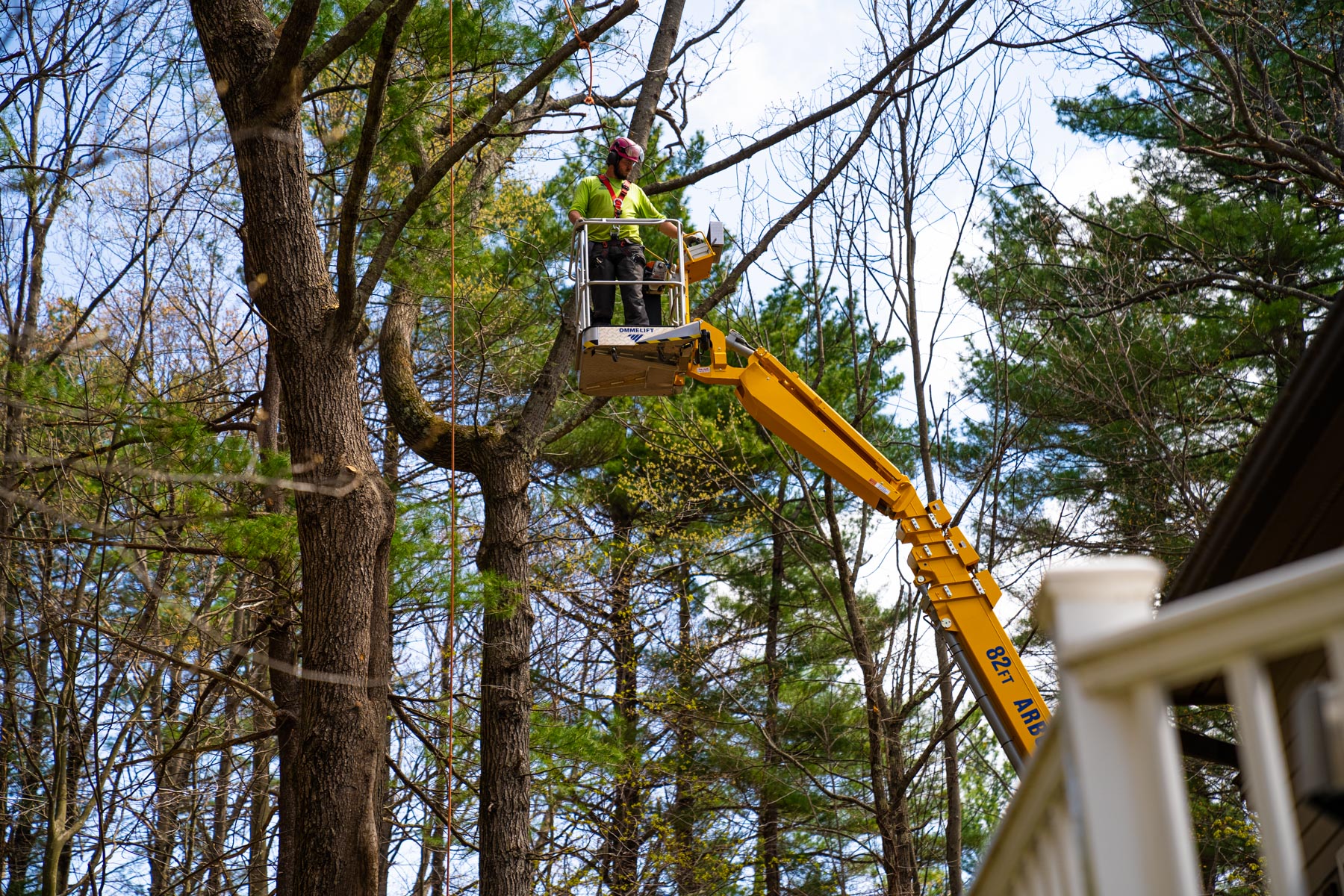
Absolutely, trees are capable of recovering from major storm damage. With proper care, including the removal of injured parts and ensuring sufficient hydration and feeding, a lot of trees can become healthy again and keep growing strong after experiencing significant stress.
What Should I Look For When Choosing the Right Mulch for My Trees?
To choose the right mulch for trees, look for natural materials for example, bark nuggets or wood shavings, ensure a layer 2 to 4 inches deep, and keep mulch away from the tree collar to prevent disease.
Are There Specific Trees That Require More Care Than Others?
Some species, like young trees and fruit-bearing plants, need extra maintenance owing to their vulnerability to weather fluctuations and unique feeding requirements. Regular monitoring and tailored maintenance practices are essential for their health and flourishing.